

Tomás is a a clerk at a video store in the small peaceful village of Palacios. He lives in a fairly run-down house with his ailing mother, whom he devotedly takes care of. Tomás is also something of an amatuer dollmaker, assembling creations out of random items that he finds tossed about. As he states early in the film, “someone’s trash is someone else’s treasure.”
Tomás also devotes some time volunteering at the local clinic. It’s here that he meets Argentina (Griselda Sanchez), or “Tina” as she tends to be called; a waitress at a Hamburger Mary’s-like burger joint ran by drag queens. Tina is a patient in a “grief counseling” therapy program held at the clinic that’s intended to help people deal with the loss of a loved one. In Argentina’s case, it’s not so much that she’s lost loved ones, but that she occasionally believes that she can still see them… and not always in the most pleasant or pristine of condition!
On top of all these things, Tomás (portrayed by Rodrigo Noya) is also about to find himself the prime suspect in the disappearance of three young women.
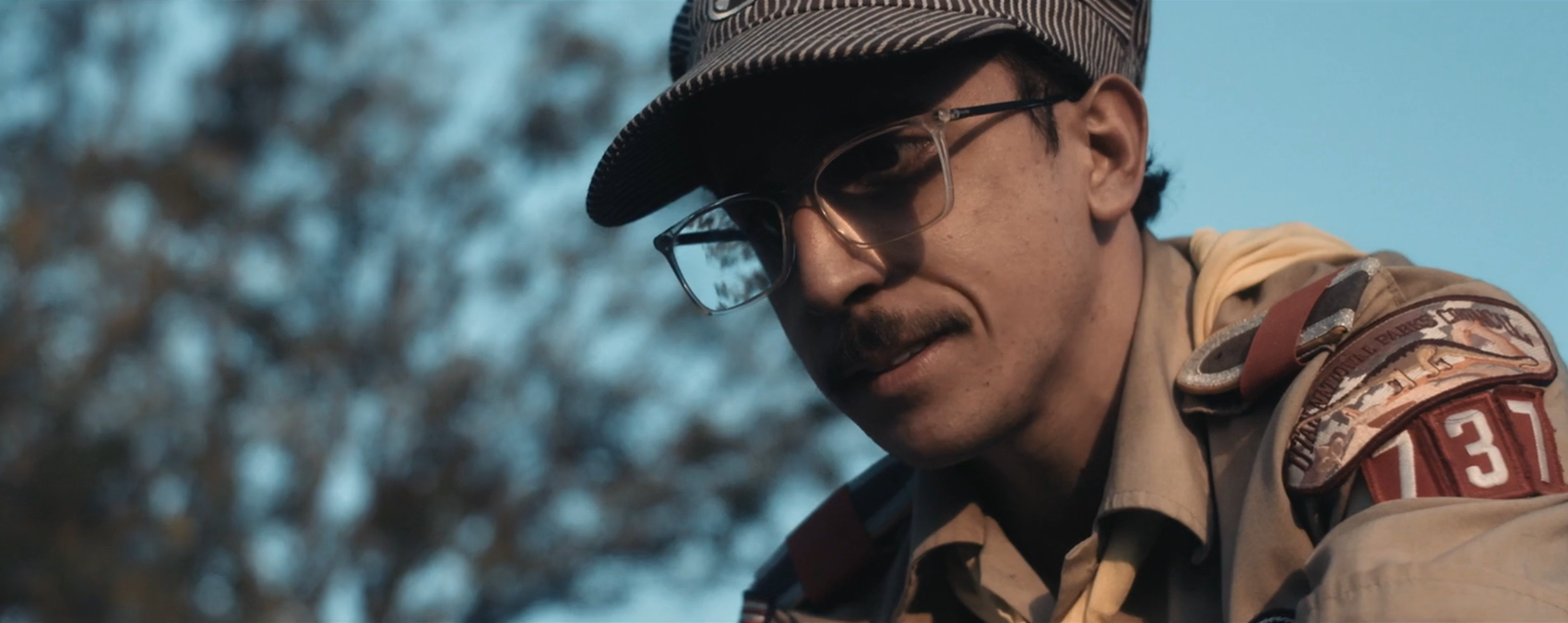
This is a very basic plot outline for Argentinian director José María Cicala’s peculiar new “psychological thriller” The Dollmaker, which debuts on Digital and VOD this August 25th courtesy of Cinephobia Releasing. The Dollmaker made its US premiere last year at LA’s Screamfest Horror Film Festival, where Noya won the award for Best Actor.
Despite an incredibly brief and fairly innocuous introduction, Tomás instantly finds himself infatuated with Tina, telling his mother all about the young woman once he arrives home. However, it’s quickly implied that Tomás’s impetuous heart and his mother’s co-dependence on her son are not the oddest things going on around this house and, probably, not the oddest things going on in this town. Spoiler…. they’re not.
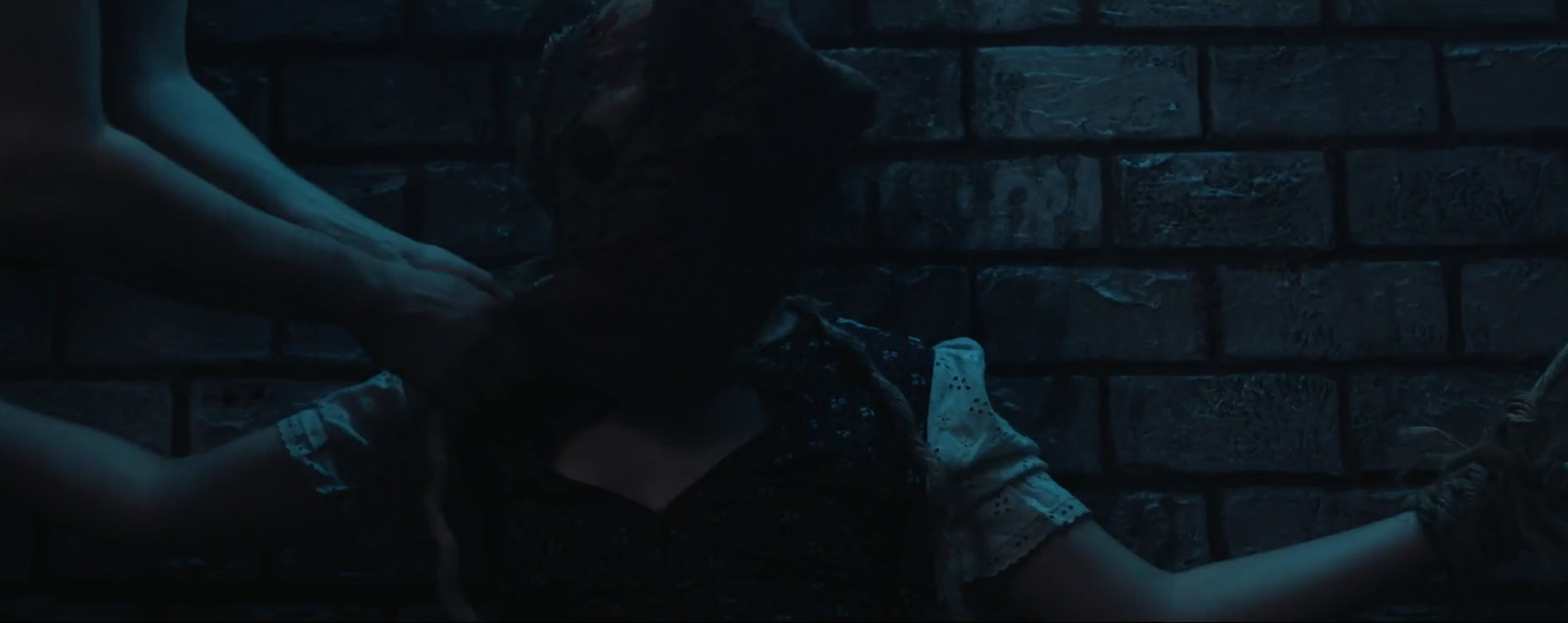
The local police chief doesn’t seem overly worried about the missing women, claiming that one simply walked out on her alcoholic husband, while also presenting the somewhat prejudiced (and more than a tad offensive) notion that the other two simply left town after failing to find “some poor sap to screw over”. However, the town’s new inspector, recently arrived presumably from one of the larger metropolitan areas, is nowhere near as dismissive and begins looking into the case. Thanks to a couple quickly interspersed scenes, we know that these women are actually being held in someone’s basement.
While The Dollmaker does play many of it cards in the first half of the film, discussing some of these aspects and plot developments could possibly be seen as “spoilers”. As such, I do warn potential viewers that I will be briefly discussing a few of these angles as I continue this review. So, you might want to stop reading this review as of the end of this paragraph. Truth be told, The Dollmaker may work better the less you know about it. Granted, you won’t get my overall opinion of the film. Either way, I’m continuing on….
Palacios, named after the doctor who runs the clinic, has its fair share of eccentrics. While nearly all the characters and situations seem odd or unconventional, nothing truly outlandish happens for the first quarter of the film’s runtime. That is, until one of the captive women is raped just moments later. Although maybe not as overly explicit and prolonged as similar scenes found in other movies (This most certainly ain’t I Spit on Your Grave!), it’s still fairly uncomfortable to watch and presents the film’s first dramatic shift in tone to something much darker in nature.
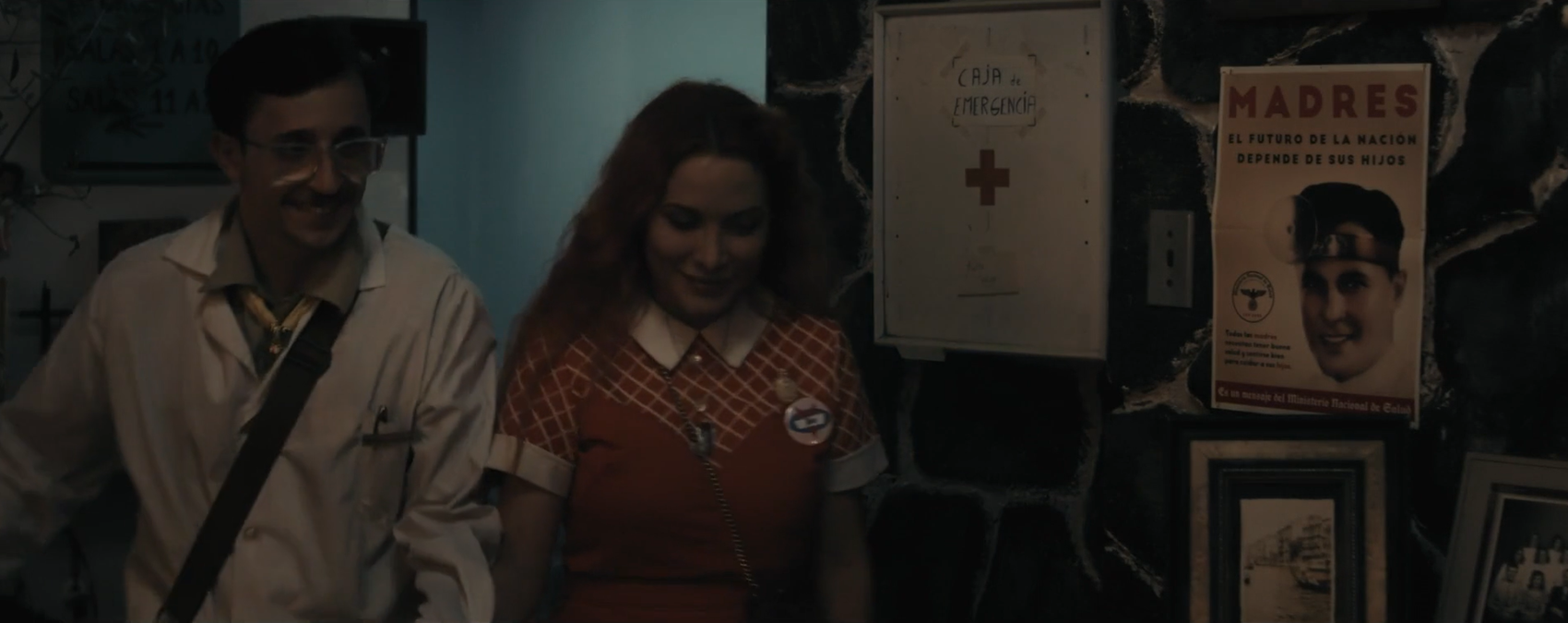
In time, Tomás and Tina do form a friendship and the very beginning stages of a budding romance begins to bloom. However, as noted, the film lets us know fairly early on that Tomás is more than a little unwell himself. While not the film’s biggest surprise, it does remove some of the suspense and “build up” disclosing such things this early. This said, it does turn The Dollmaker into something more of an intriguing character study and less of a possibly cliched twist-driven mystery.
Overall, I found The Dollmaker to be a generally well-made and compelling “thriller”, and one with its fair share of quirks, such as a character who appears to be wearing a rather unconvincing wig the entire film. (My sincerest apologies if this is actually the actor’s real hair. Apologies for both the hair and the slander, that is.) Performances are really quite engaging with notable turns from both Noya and co-star Arturo Puig, here playing three different characters. The film also moves along at a fairly steady pace, never getting bogged down in unnecessary baggage.
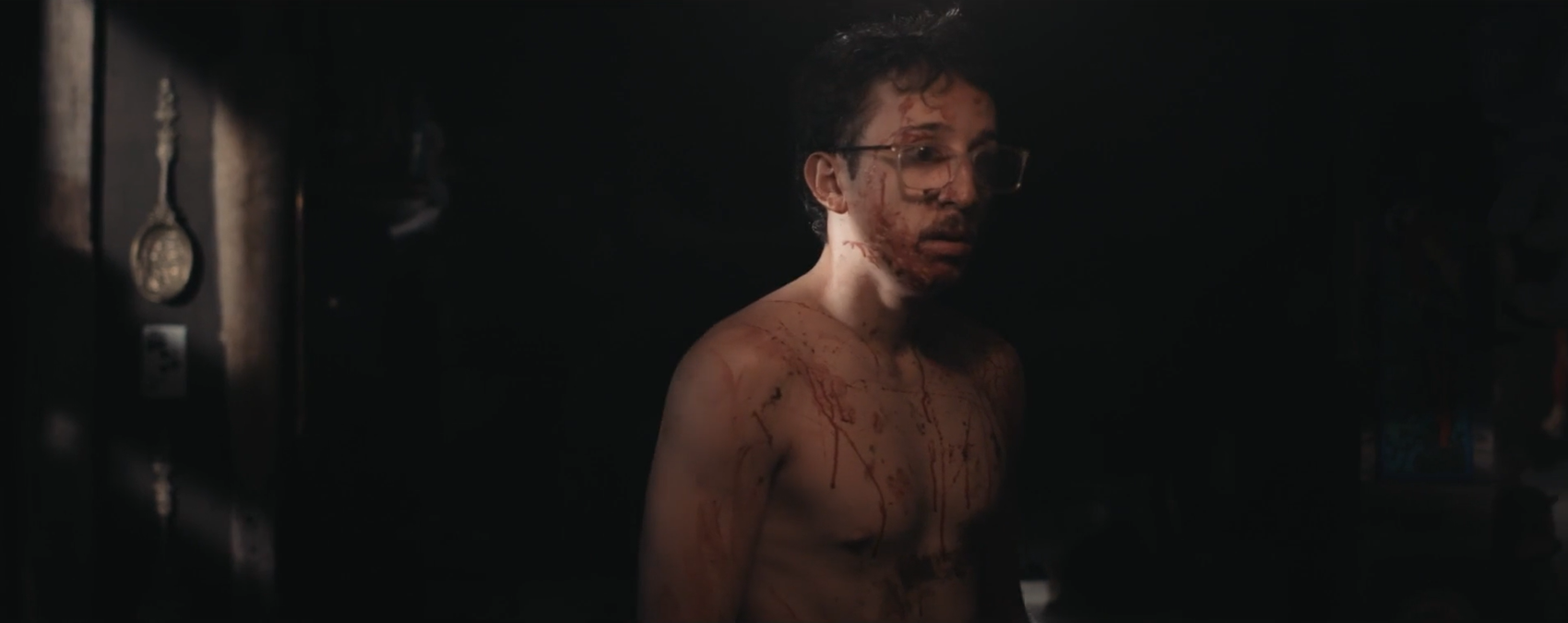
In fact, the only area where I had any issues with The Dollmaker is in its ending. Personally, I felt it to be too vague and open to interpretation. Sure, there’s possible argument to be made that the story is being told by an unreliable narrator, but this angle would be more viable if the story actually had a narrator. Now, as the film was originally titled “Encantador”, which translates to “charmer”, it’s possible that this ending was supposed to be perceived as more supernaturally or even “superhumanly” intended. That said, the film never sets up any such connections, so this is all just purely conjecture on my part.
To some degree, The Dollmaker is a little all over the place. There’s fragments of a love story, albeit a doomed and ultimately tragic one, but they never fully come together. There’s definite moments of fantasy, but they seem few and fleeting when compared to the more grim and grisly aspects of the film. However, the seemingly random use of matte painting for locales, as well as some toy cars making an appearance probably tell us something significant about the tale that is slowly unfolding before our eyes. By its conclusion, The Dollmaker‘s “reality” has become so blurred that it’s entirely possible that none of this even happened at all, making the entire affair somewhat meaningless, yet still worth watching.

