
“The Satanic Piano” – Season 2, Episode 6 (Original Airdate: 10/03/85)
Written and directed by John Harrison (director of 2009’s Book of Blood, composer on 1985’s Day of the Dead), with a co-writing credit for Carl Jacobi (no other credits)
Starring Michael Warren – Lisa Bonet – Philip Roth
Pete Bancroft is a successful musician/composer living alone with his teenage daughter, Justine (Bonet – “The Cosby Show”, Angel Heart). Although he has sold millions of records and won multiple awards, Bancroft’s “star” has naturally begun to dim a bit with age, and he now finds himself struggling to write material for his new album. Making matters worse, his label isn’t overly receptive to the new material that he has provided them with.
Justine, an aspiring musician herself, tries to assure her father that getting older and a little less “current” is not the end of the world. However, in his frustration, Bancroft generally ignores his daughter’s advice. He also tends to ignore her when she repeatedly asks for help with the song that she has been composing.
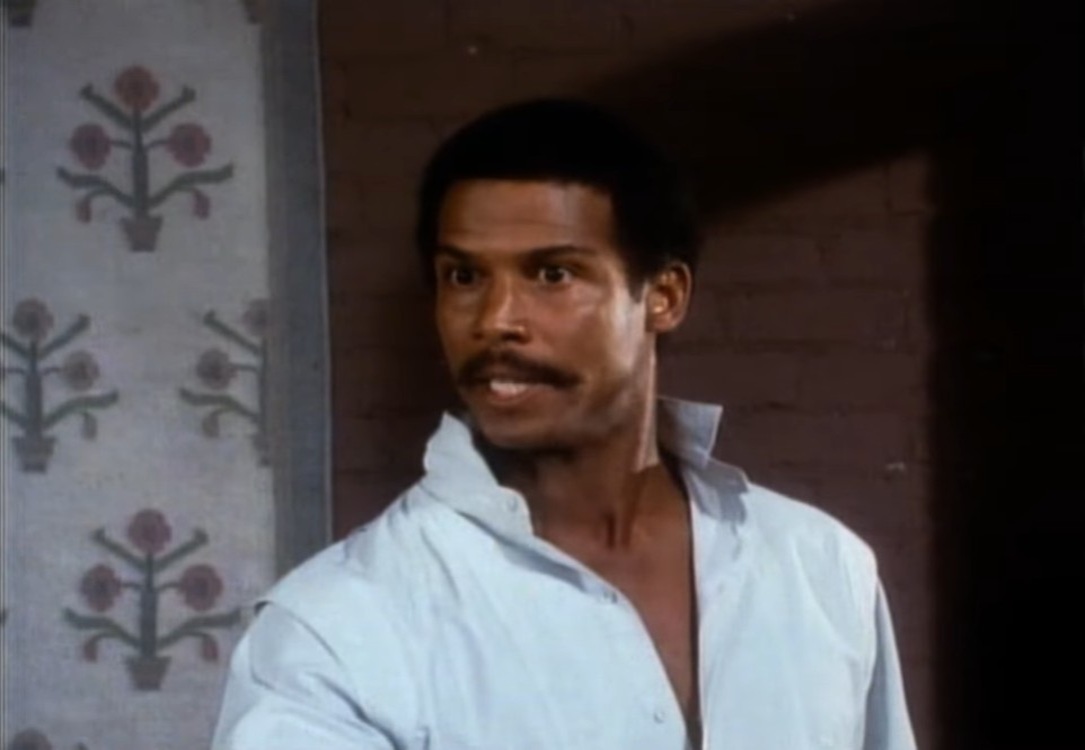
Bancroft soon receives a phone call from a stranger named Farber (Philip Roth – One Flew Over the Cuckoo’s Nest, Catch-22), who has invented a new instrument that he claims will revolutionize music as we know it. He wishes to meet with Bancroft to demonstrate the instrument’s abilities. As Farber hangs up his phone, the viewer sees a corpse laying on a stretcher in front of him, covered in a sheet. He apologizes to the corpse for its misfortune, but states that he has now found a better “test subject”.
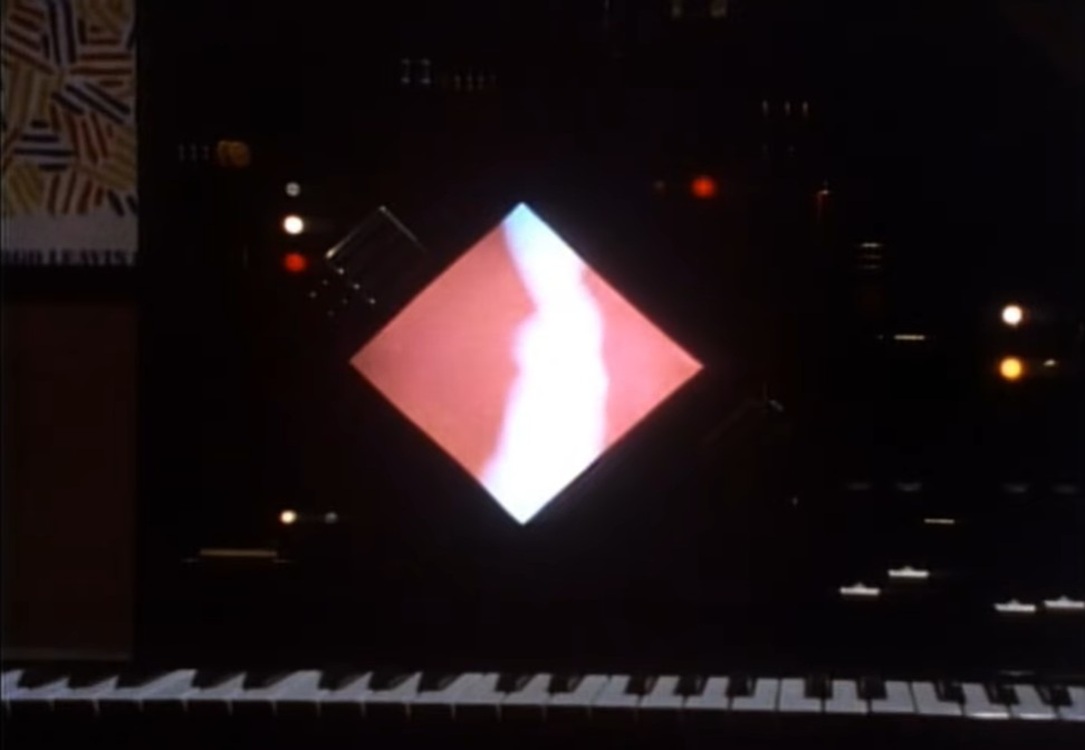
Reluctantly, Bancroft meets with Farber and is shown the man’s invention. Although shaped like a small piano that has been bent upright at the keys and adorned with multiple wires, switches, and flashing lights, Farber’s invention has the ability to play music directly from the thoughts of its user. Bancroft is beyond impressed. He’s even more blown away when Farber offers the instrument to him for free, albeit with the little caveat that the two men can discuss payment once Bancroft has mastered using the device. Impulsively, the musician agrees and takes his “new toy” home to put the instrument’s (and his own) capabilities to the test.
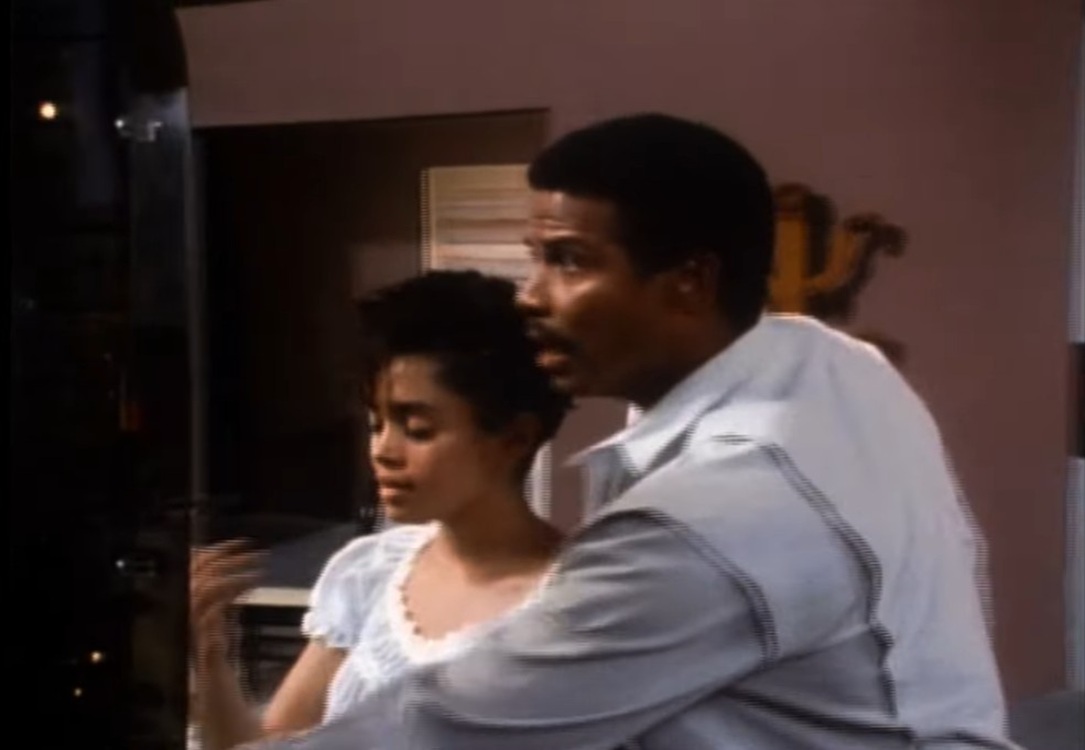
Things start wonderfully, with Farber’s device working as promised and Bancroft able to compose works that he could formerly only dream of.* However, when Justine approaches the instrument for the first time, it begins to play the song that she has been composing in her father’s shadow. Somehow, in a manner that is only superficially discussed, Farber can hear the songs that father and daughter have been composing and realizes that it was not Bancroft that his instrument was intended for, but the young girl .
*Technically, he’s still composing music he can only dream of.
After finding both the instrument and Justine missing from their apartment, Bancroft returns to Farber’s place, where the deranged man has eagerly been awaiting his return. Farber reveals that his instrument is siphoning directly from Justine’s soul, which will kill the girl, but also somehow provide the world with the most beautiful music ever recorded, thus immortalizing his name. Yes, it IS as convoluted as it sounds. Bancroft attempts to destroy the machine, even punching a lighted screen on what I presume to be its control panel. This leaves his hand charred and ripped to the bone, an effect that isn’t entirely convincing but still pretty damned gruesome for the standards of the era.
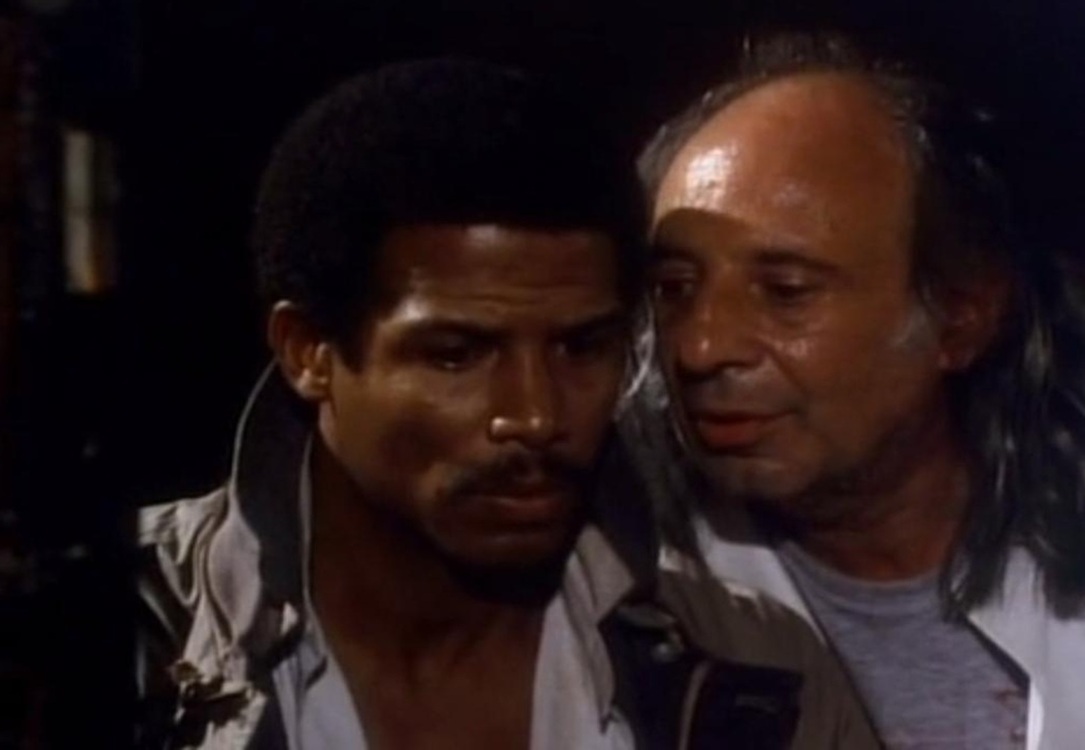
“The Satanic Piano” ends with Bancroft rescuing his daughter and Farber killed by his own invention. Actually, it’s the explosion caused by the machine’s destruction that kills him, but that’s not quite as poetic. Bancroft’s musical career is seemingly over, but it does appear as though the man has learned a lesson and now values what’s truly important in his life.
Overall, I consider “The Satanic Piano” to be a decent episode, but not quite as memorable as it probably could be. Warren (“Hill Street Blues”, Cleopatra Jones), however, would seem to be the biggest hinderance to the episode, with his performance lacking some range. While he does a solid enough job with “anger” and “bitterness”, he fails to ever really convey any other emotions. Although her role is fairly limited, Bonet shows more emotional range at a much younger age.
However, the biggest issue with the episode may be the Harrison-composed music, all of which sounds like some 1980’s, John Tesh-ish, New Age bullshit. This stuff is presented as “the sound of the future”, but I honestly have an extremely hard time believing that the masses would ever want to listen to this stuff. As history demonstrated, we didn’t. For what it’s worth, some of the music featured in the episode will later be re-used in the Season 4 episode, “The Printer’s Devil”
“The Devil’s Advocate” – Season 2, Episode 7 (Original Airdate: 10/10/85)
Directed by Michael Gornick (Creepshow 2), Written by George Romero (some dude)
Starring Jerry Stiller
Stiller stars as “Mandrake”, the vitriolic and apathetic host of a call-in radio show. Although Mandrake’s program has no real set topic other than whatever he wishes to bitch about on any given night, each night’s show generally consists of random people calling in to vent about various social issues, only for the host to belittle and insult them. This surely has something do with why the show is called “The Devil’s Advocate”. Despite his generally hateful speech and negative attitude, the show must be something of a “hit” as people have been tuning and calling into Mandrake’s show every night for the last 13 years!
The episode takes place almost entirely within the confines of the small studio in which Mandrake records his show, although it actually opens in the engineer’s booth. As the episode opens, Mandrake is arriving for the evening, already perturbed about nearly being late thanks to finding a corpse sitting in the front seat of his car. He opens his show for the evening ranting about the incident before turning the phone lines over to callers. From here, the episode consists of little more than Mandrake speaking with his callers. With each call, he grows increasingly disgusted with not only the state of the world, but with the people who live in it.
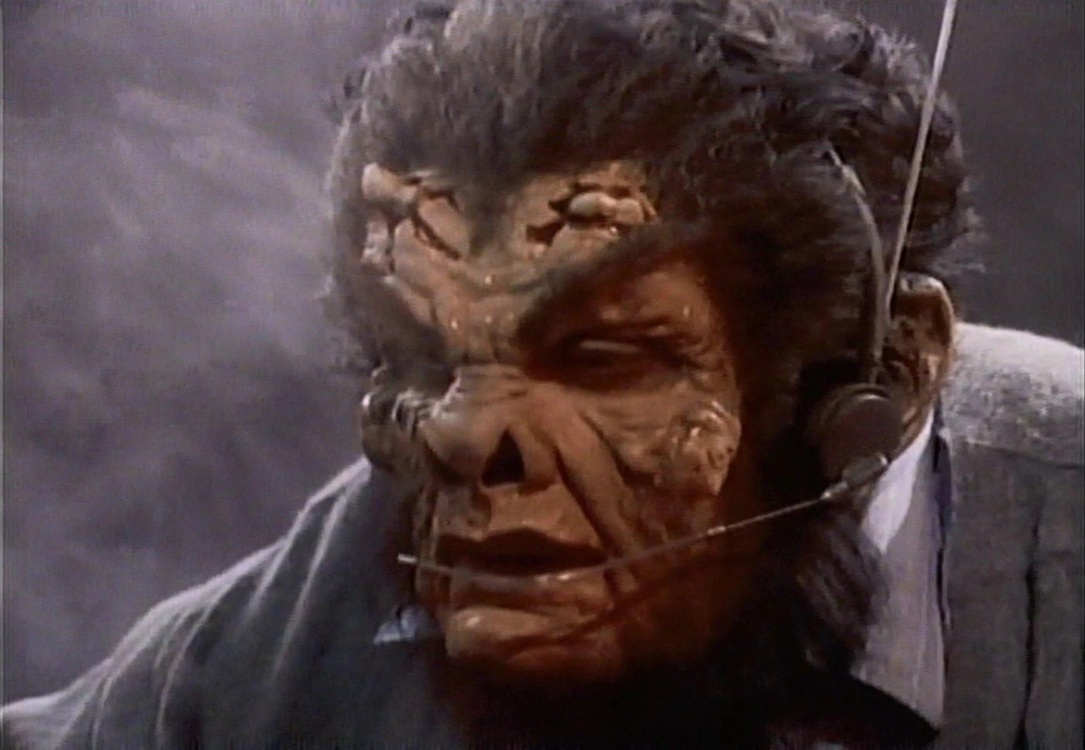
As his rants progress, Mandrake’s appearance begins to change, looking somewhat similar to the early-stages of Jack Pierce’s “Wolf Man” make-up before gradually settling into something that I know is supposed to seem demonic in nature, but reminds me more of the Greek god, Pan. The incoming calls also begin to take a strange turn, with callers claiming to be dialing in from, as well as discussing “hot button” topics from the past. In many cases, the distant past! At first, Mandrake believes that all of the “kooks” must be calling in or that he is the victim of some bizarre (and incredibly well-coordinated) prank. That is, until he notices that the glass wall of his studio has been replaced with a concrete one.
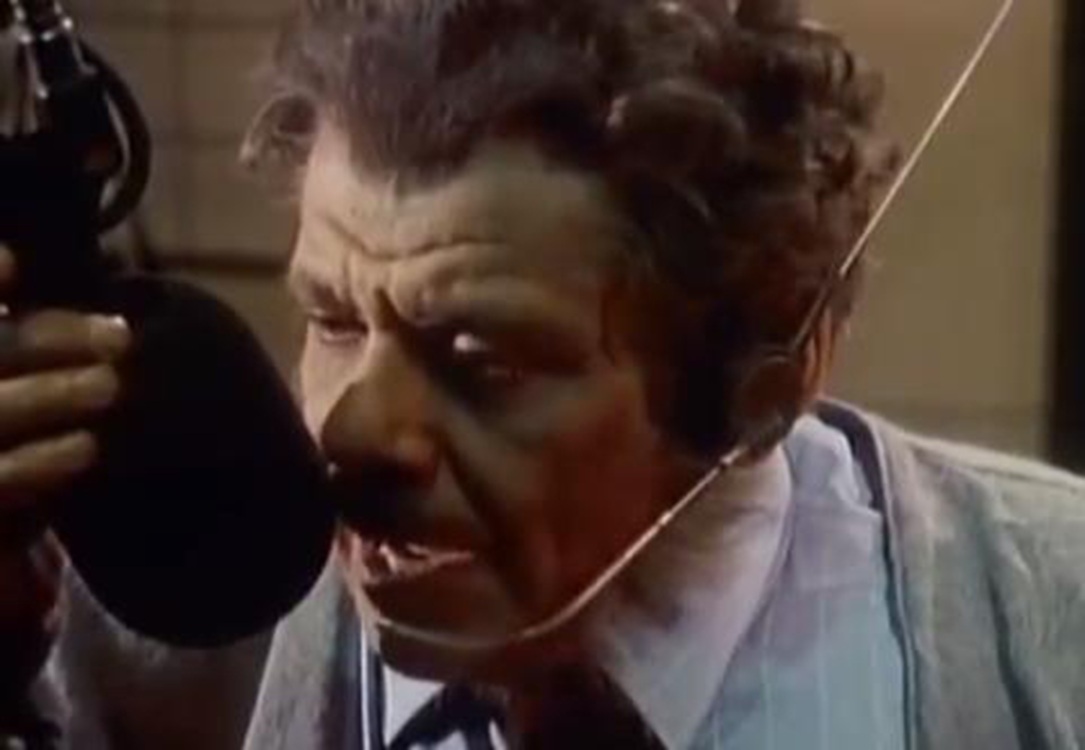
The episode concludes with an appearance from none other than Satan, albeit as a disembodied voice booming out from nowhere (and yet everywhere) as it speaks to Mandrake, explaining that he’s been doing “the Devil’s work” for years by helping people lose their faith with his nightly rants. Satan even admits to having caused every tragedy and misfortune in Mandrake’s life, hoping it would steer the man down his current path. However, the biggest shock may be when it’s revealed that Mandrake has been dead since the beginning, spending the entire episode carrying out his job in Hell.
While I admittedly didn’t pay much notice to “The Devil’s Advocate” in my youth, I now consider it to be an exceptionally strong episode, bolstered by a solid script and commendable performance from Stiller, who really does have to carry the weight of the entire episode on his shoulders. While they are undoubtedly on display, director Gornick smartly keeps the episode’s focus on his actor and not on make-up or special effects. “The Devil’s Advocate” does feature a relatively small dose of Romero-style social commentary, which (much to the dismay of the man’s most ardent and dedicated fans) is actually a turn-off to some people, but if I were going to complain about anything it would the miscasting of the voice actor for Satan, who just doesn’t have the powerful, commanding voice one would expect from the Prince of Darkness/Father of Lies and sounds more like he should be narrating an instructional video.
“Distant Signals” – Season 2, Episode 8
Directed by Bill Travis (who also directed a few later season episodes), Adapted for screen by Ted Gershuny from a story by Sci-Fi author Andrew Weiner (whose story, “Going Native”, was adapted for Season 4)
Starring Lenny Von Dohlen – Darrin McGavin – David Marguiles
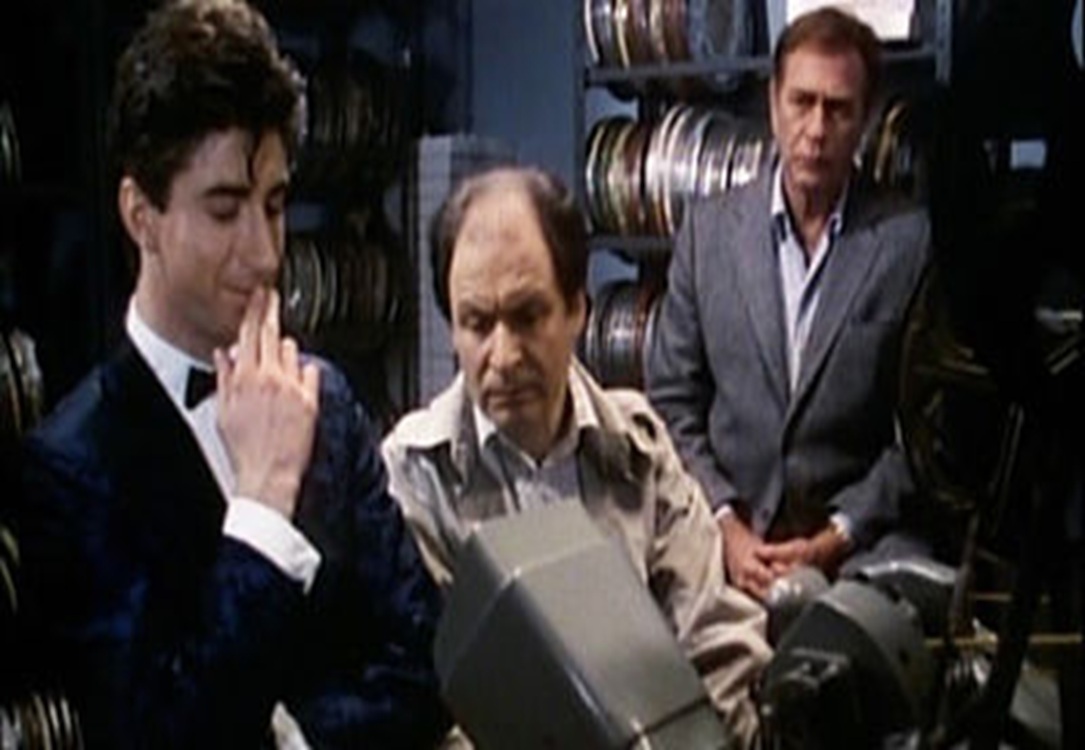
Young, enigmatic Mr. Smith (Von Dohlen – “Twin Peaks”, Home Alone 3) tracks down both the creator and the star of a failed 1960’s “crime noir” television series (with a premise similar to “The Fugitive”) entitled “Max Paradise”, seeking to finance the production of the new episodes in order to finish the storyline. While finding these gentlemen seemingly presents little challenge for Smith, especially with the suitcases full of gold bars that he’s apt to flash around, convincing them to revive the long dead and just as forgotten series is a different story. While the creator (Marguiles, possibly best known as “The Mayor” in the first two Ghostbusters films) has since become a huge success and now seems somewhat embarrassed by his earliest work, the show’s “star” (McGavin, TV’s “Kolchak: The Night Stalker”) has long since faded out and now works as a bartender, the job definitely enabling his habit.
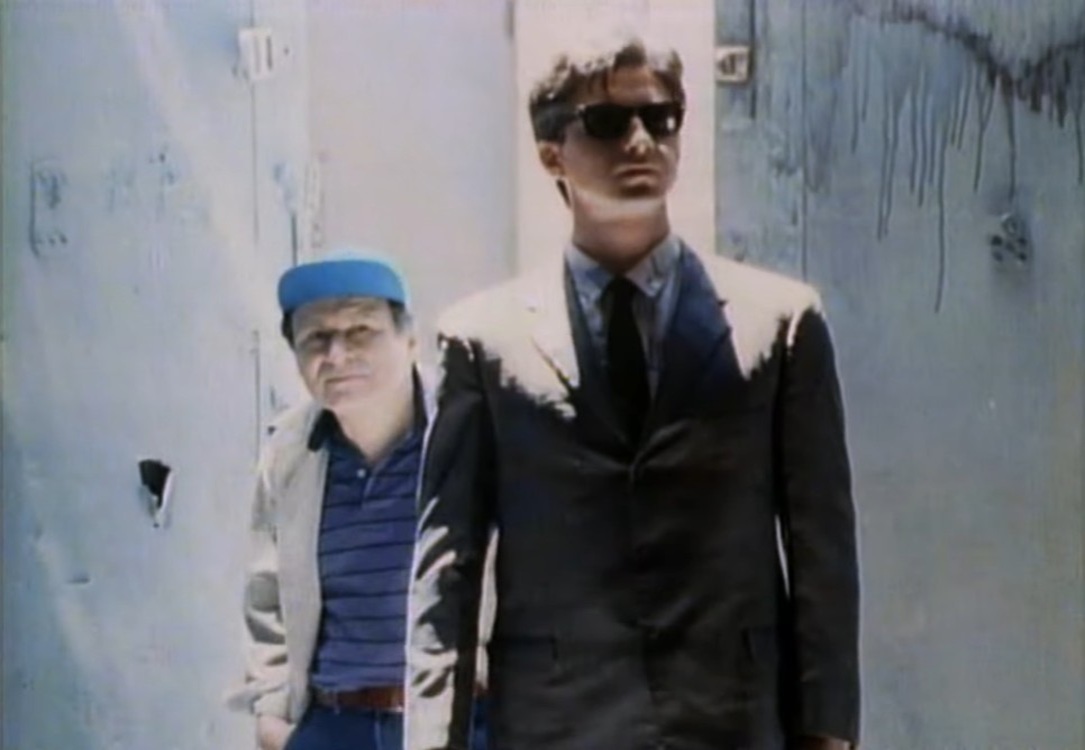
The bulk of the episode is essentially Smith trying to convince these men that the show was as important as he considers it to be. Once production does begin, the only real difficulty that presents itself is McGavin’s character’s nerves and addiction getting the better of him. However, Smith cures both with the placement of his fingers on the man’s temples. As the episode is short and moves quite quickly, the actor’s alcoholism is almost treated as a minor inconvenience. However, once cured the production continues on and the finished product is quite well made. With the task completed, Smith departs, ready to take the conclusion of Max Paradise’s journey back to what he assures is an eagerly awaiting audience.
The episode wraps with the evidently “reborn” actor explaining to the show’s creator that Smith is actually an extraterrestrial being, and that “Max Paradise” was a pretty big deal on Smith’s home world. How he knows this isn’t explained, but one can assume that it probably had something to do with that “mind melt” fuckery. One had better assume because there’s nothing else here to base logical theories off of.
To be quite honest, if I had ever watched “Distant Signals” prior to writing this review, I’d completely forgotten everything about it. Continuing with that honesty, I can’t say that I particularly enjoy the episode, finding it to be rather dull and never particularly compelling. It often feels as if the story is waiting to truly begin. As the episode’s title more than gives away its conclusion, I do believe that the lack of suspense or mystery of any sort does somewhat neuter the episode’s potential. Some might say it’s uplifting, but so are elevators. Well, half the time, anyway.
 Horror And Sons