

Welcome, ghoulies! October is here, and it’s time for another year of Horror And Sons’ Halloween Horrors series. We have 20 contributors lined up to bring you another round of reviews and essays on a multitude of films! However, unlike previous years, each of our contributors this year was given their own individual theme to choose their movie topics from. As such, our film topics this year cover a range of genres, sub-genres, and eras.
As has become tradition, we kick off this year’s series with an entry from a debuting contributor. Please welcome Milo Dupuis to this year’s Halloween Horrors event!
Originally hailing from Montreal, Milo now calls the Pittsburgh-area home, just like quite a few of our other contributors. And just like many of us, Milo began their journey into the world of horror cinema with a spooky “haunted house” film, in this case 2013’s “The Conjuring”. While now open to all forms of horror cinema, that first viewing may have left some scars as Milo now tends to stray far away from your local scare houses that pop up each Halloween season. It’s okay, Milo. One of the first horror films that I remember watching was Poltergeist. Forty-plus years later and I still don’t trust clown dolls.
These days, Milo is also making his entry into the world of writing, creating a Substack newsletter entitled “The Knee Jerk”, combining elements of history and philosophy to create his own critiques and criticism of movie, social media and pop culture. If the following entry is any indication of what is to come from Milo, then the future is looking quite promising.
For our kick-off post of Halloween Horrors 2025, we dip back into the series’ recent past. Originally presented to our contributors under the fake title of “Haven’t We Done This Already?”, today’s theme is Made-For TV Movies, which was also one of the two themes for our 2020 Halloween series.
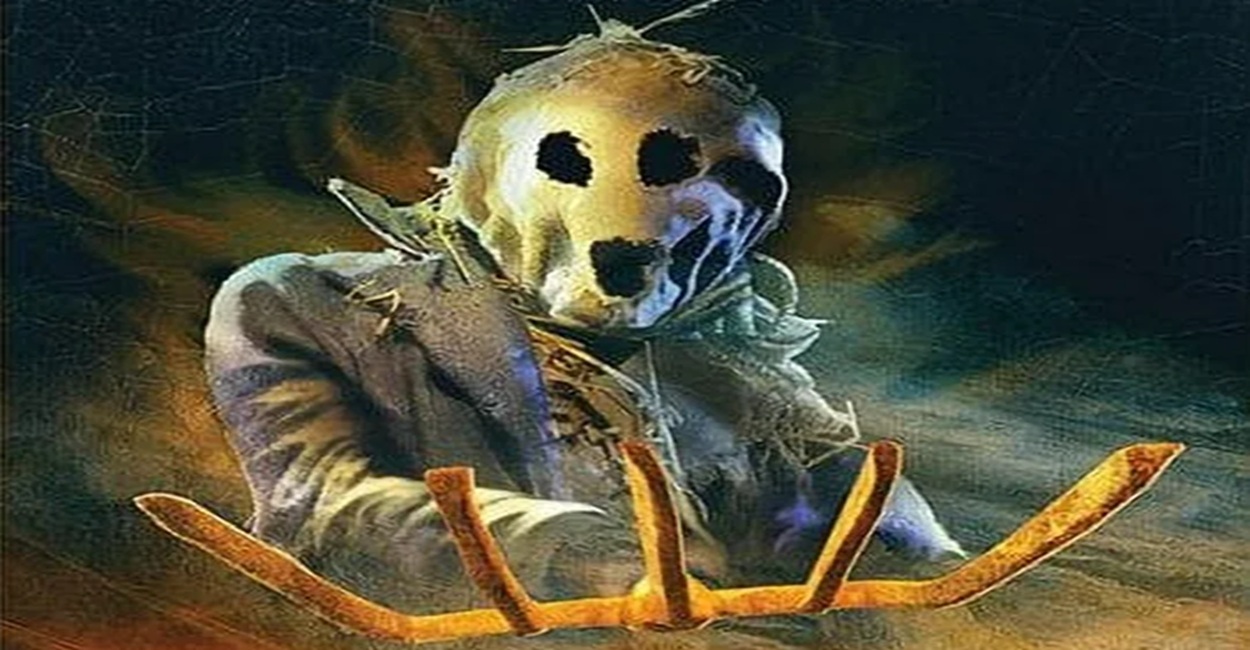
The irony of the topic of this review is not lost to me. A Gen Z kid, who experienced the death of cable television very early into his life, is tasked with reviewing a made-for-TV horror release.
The concept of a made-for-TV horror film was an assumed oxymoron. Horror is meant for the darkness of a movie theater or your living room at night so you can seclude yourself from any light, interruption, or distractions from the pit in your stomach that festers in response to suspense. Horror films are like a roller-coaster where, once strapped in, there’s no going back or escaping, lest you want to ruin the dreadful vibes that can make or break a viewing experience.
So, how can a movie with ad breaks that you could just flip to mid-premiere on a random TV channel have any shot of finding success as a gripping horror feature?
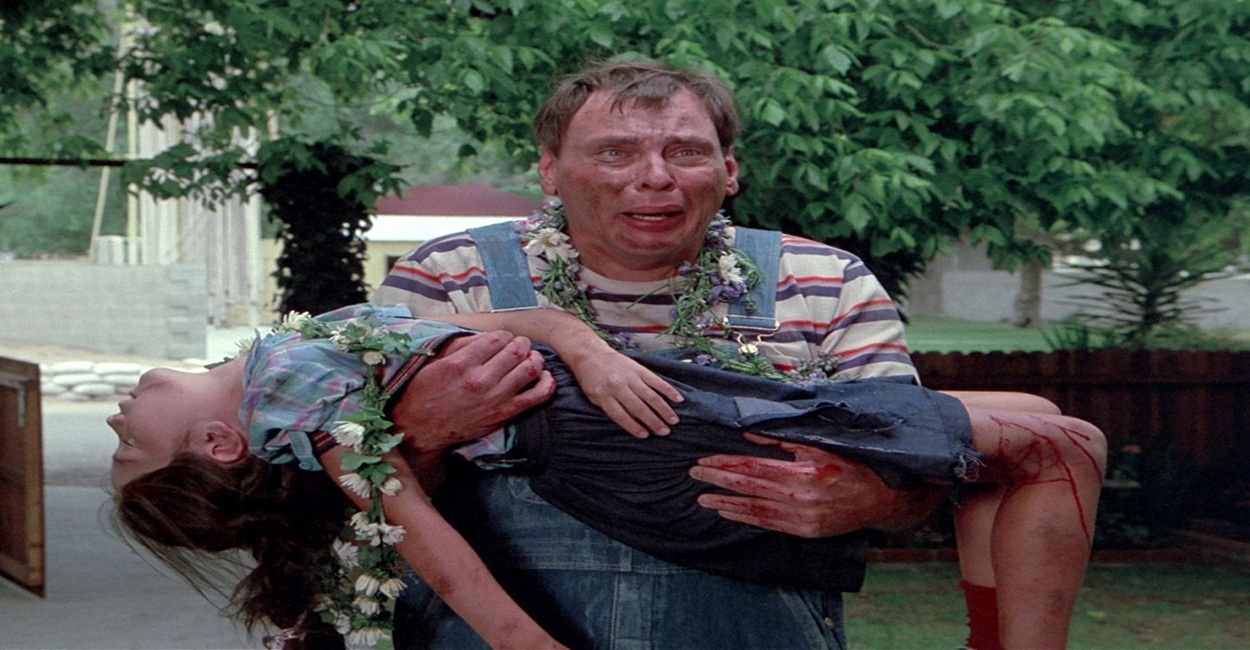
My search to answer the question begins with Dark Night of the Scarecrow, a 1981 slasher film made for release on CBS. The film’s plot has a familiar yet effective outline. Bubba, a mentally disabled man, faces prejudice and persecution from the people in his town. The main aggressors of the harassment are Hazerigg, the mailman; Skeeter, the gas station attendant; and Philby and Harliss, both farmers. When Marylee, a young girl in the town who has a close friendship with Bubba, is attacked by a dog, the town misconstrues Bubba’s saving of the young girl as him harming her. As a result, he is hunted by a mob consisting of the four men, who find Bubba hiding as a scarecrow in a field, and murder him.
The four men are brought to trial for the murder, but they are acquitted due to a lack of evidence. They think they got off scot-free, but when a scarecrow suddenly appears in Harliss’s field, they are tormented by fear and guilt. One by one, the men are picked off in what seem to be freak accidents, but they know these accidents are the product of a person – or spirit – seeking out revenge and justice for what they did to Bubba.

I embarked on my screening of the movie like I was attending a historical reenactment. When there was what I assumed would be a cutaway to an ad break, I would set a fifteen-minute timer where I would use the restroom or go to my kitchen to get a snack and refill my drink. It was important to me that I was mentally in 1981, where the walls had wood laminate and my landline could ring at any moment. I wanted to test if, in its original cable “packaging,” this movie could live up to its classification as a horror slasher.
But alas, there was an immediate obstacle! You see, the portrayal of “Bubba” by Larry Drake has aged like spoiled milk that came back from the landfill to haunt you and spoil again. Watching an able-bodied actor present a caricature of a mental disability made me feel such an internal sense of grossness that I couldn’t seem to shake. For a while, I seriously contemplated picking an entirely different film solely for this reason.
Ultimately, though, I just couldn’t, in good faith, discredit the film’s success not only as a horror made for television, but also as a standalone piece of media.

With CGI being older than I am, it was refreshing to see something that relied on practical effects, camera perspective, and subtlety to tell a story that leaves you asking questions until the very end. Director Frank De Felitta masters the constraints of television standards. While cinematic releases are allowed to have violence and gore, cable networks have much stricter standards for what can be shown. As a result, deaths had to be implied or shown through unique camera angles that make it so that a character’s demise is felt and understood without the need for gore. A notable example of this is when Philby dies from being suffocated by grain in a silo. The camera cuts to Philby’s point of view, and there are choking sounds in the background – making for a death that cuts deep, but isn’t gratuitous in its imagery.
The story itself is interesting and complex. De Felitta chooses not to reveal who the slasher truly is until the last few minutes of the film. As a result, the plot remains gripping. As suspected orchestrators of the accidents dwindle, you find yourself questioning if the deaths are simply a result of paranoia induced by their own sense of guilt. Hazelrigg, the ring-leader of the mob, portrayed by Charles Durning, shines in his role as the film’s antagonist. His assuredness and smugness in his certainty that he will not be held accountable for his actions is a torment to society, a reality that, to this day, most of us are probably familiar with.

Dark Night of the Scarecrow does what can always woo me as a viewer: it uses the genre of horror to shine a mirror on what the things we fear reveal about us. Despite hinging on a spirit possessing a scarecrow to enact revenge, I see the film as participating in a conversation about “tough guys” and accountability. Multiple characters are murdered by Hazelrigg throughout the film. First, Bubba, but then Bubba’s mother, who is initially suspected to be behind Harliss’s mysterious and fatal accident. Right before the film’s climax, Hazelrigg also kills Skeeter to prevent him from confessing to the police. To me, the order of these deaths seems to imply the way in which a prejudiced “tough guy” who is not held accountable can be a cancer on a town that eventually leaves no one unscathed. It wasn’t of concern that Hazelrigg had it out for Bubba since the man was mentally disabled, but inadvertently, when the town looked away and celebrated the mob for their acquittal, they were enabling a pattern of future violence that culminates in him even killing one of his own accomplices.
My watch of Dark Night of the Scarecrow was a good reminder that interesting and enjoyable media doesn’t always have to be marked by a cinematic release and an expensive budget. It makes a good case that less can actually be more when creating a horror film that employs creative camera angling and a thought-provoking story to tell.
 Horror And Sons